
Leathercraft
An Anniversary Post

This week, I celebrate three years writing on Substack. When I started, I wanted a consistent writing routine that allowed me to process my experiences teaching. In the fall, I begin my twenty-sixth year (or as Henry Oliver says, my Second Act). I do not know if this means I am a late bloomer, but I do recognize that preparing to teach another decade means acknowledging the unknown and unknowable. In these last three years, I spent more time mitigating behaviors instead of teaching, consequences from a global pandemic. I am unsure what to expect in this next career phase. I assume I will be managing the continued pressure of AI in public education. I am confident I will continue to witness the consequences of large-scale technology use among my students. It is possible that I am entering a post-literate era, teaching students who cannot or will not read, but I doubt it. Level-headed intellectuals like Joel J Miller, Matt Seybold, and Annie Abrams assure me we are not heading into a post-literate epoch. As with everything, context1 is important to fully understand a phenomenon. We have been anxious about society before and yet we keep progressing.
I will always worry about whether my students are learning. I will always push them to read and write more, think deeper, and be kind human beings. I admit, the current moment in history feels dire (and I have contributed my share of haranguing and panicking), but this is because of our ubiquitous access to algorithmic technology, not a societal collapse. Teaching in 2035 will feel harder because I am susceptible to romanticizing the past. There is a dark side to pining for the good ol’ days; I must be cognizant that teaching is human connection and that outlives mass hysteria.
For the last three years I have been writing about my experiences teaching. These years have been some of the most challenging of my career and writing offers me a way to process, seek out community, and offer whatever support I have to give. Substack gives me a platform to think about my pedagogy; readers give me a community to dialogue with about teaching and learning. Through my weekly writing and talking with subscribers, I am deepening my understanding of teaching. When I started, I followed John Warner’s maxim, writing is thinking, to the letter. Every day I taught and each week I thought about what I taught, how I taught, and most importantly, who I taught. I could have kept my musings in a journal, but my ego wanted others to read what I thought. I am not obsessive over metrics like views, hearts, or restacks, but I am attentive to comments. I enjoy conversation, and feel grateful to celebrate three more years teaching, writing, and conversing with others.
Leathercraft
The traditional marriage anniversary gift for three years is leather. The custom of giving and receiving gifts for wedding anniversaries originated in Medieval Europe. 18th century Germanic husbands would give their wives a silver wreath for 25 years of marriage (silberne hochzeit) and a gold wreath for 50 years (goldene hochzeit).2 In 1852, The (Old) Farmer’s Almanac specified “one month from marriage makes a sugar wedding; one year makes a paper wedding; five years, a wooden wedding; ten years, a tin wedding; twenty-five years, a silver wedding; and seventy-five years, a diamond wedding.” By the 20th century, etiquette books spread throughout Europe and America. In 1922, New York socialite, Emily Post, published Etiquette: in Society, in Business, in Politics and at Home, including a list of wedding anniversary gifts. Specific materials were assigned to each milestone based on the strength of the marriage.
For my first anniversary3, I shared a pandemic hiking story and advice from American chef, Thomas Keller. For my second anniversary, I borrowed a move from Ted Gioia and offered a tour of my nascent Substack. That year, I also experimented with Substack’s LIVE feature, offering a monthly Ask Me Anything Q&A. I am now out of the “honeymoon phase” and am committed to writing about my teaching and my students’ learning. Since leather represents durability, flexibility, and strength, and like a new marriage, a new piece of leather starts off stiff, softening with age, so too I feel this newsletter has matured. Leathercraft is the practice of using leather to craft. Experienced leathersmiths dye, paint, carve, mold, and even laser cut leather to create wallets, keychains, belts, and bags. Expert leathersmiths are creative artisans who know their material and tools well, master technical skills, and improve their craft.
These last three years I have molded this newsletter, sharing my experiences teaching. I have experimented with different features and developed my writing skills. Each week, I look forward to writing and chatting with others about public education.
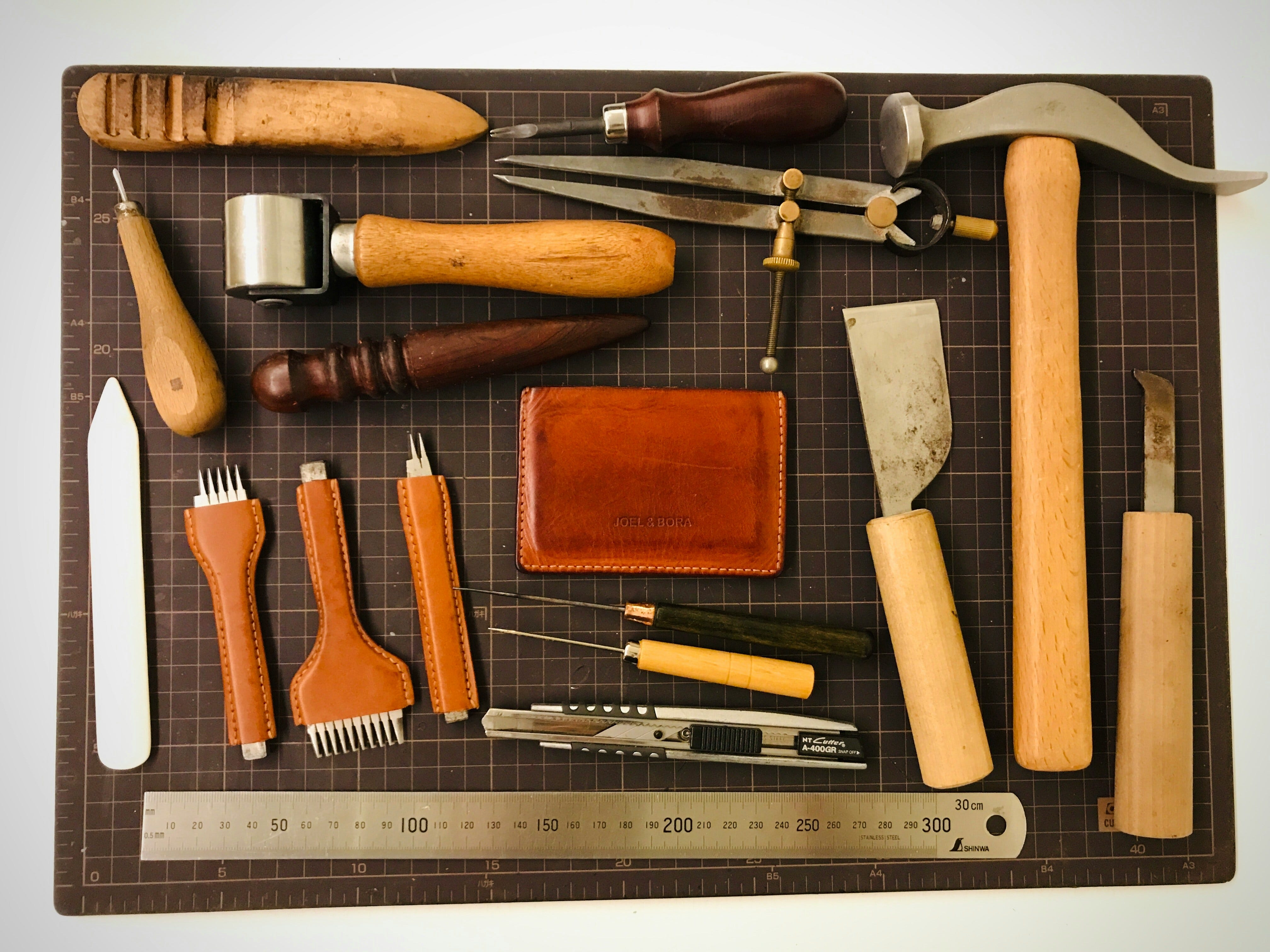
This fall, I will be teaching in a new school and classroom. In many ways, I feel like I am starting over, being the new kid in the building. In the first weeks of school, I will learn my colleagues’ names, the school’s procedures, and the culture of the building. Being a veteran teacher gives me confidence in my pedagogy and classroom practices, while having this fresh start allows me to reexamine my pedagogy and practices. The same is true for this newsletter. I am not a veteran writer, but having a weekly writing practice these three years, I trust my process. Teach. Reflect. Write. Celebrating my leather anniversary, I am proud of this newsletter and am excited for future teaching, reflections, writing, and conversations. I know my pedagogy and writing well, and though I may still be a new kid on Substack (with much writing technique to master), I am eager to continue crafting my pedagogy, writing, and this newsletter. Whether a classroom of new students or a blank page, I approach both teaching and writing with intentional creativity; I take raw materials and create something meaningful. Here are a few things I am intentionally creating for the upcoming year.
New Pieces
I will keep posting a new piece every Monday. Once a month, I post a Top Five list about something I am thinking about — usually books, music, and teaching. These will always be free for all subscribers. I appreciate the few patrons that support me financially.4 One day, I hope to offer something in reciprocity, more than personalized resources. But for now, please know that I am grateful for your support!
New Projects
I struggled in this last year to design new student learning experiences. Most of my weekly essays were more educational philosophy than practical teaching tips. Due to continuing pressure to standardize my pedagogy and teach using basal textbooks, I also had my fair share of grievance essays. I hope to be more positive and practical (while remaining realistic to my experiences teaching) in this upcoming school year.
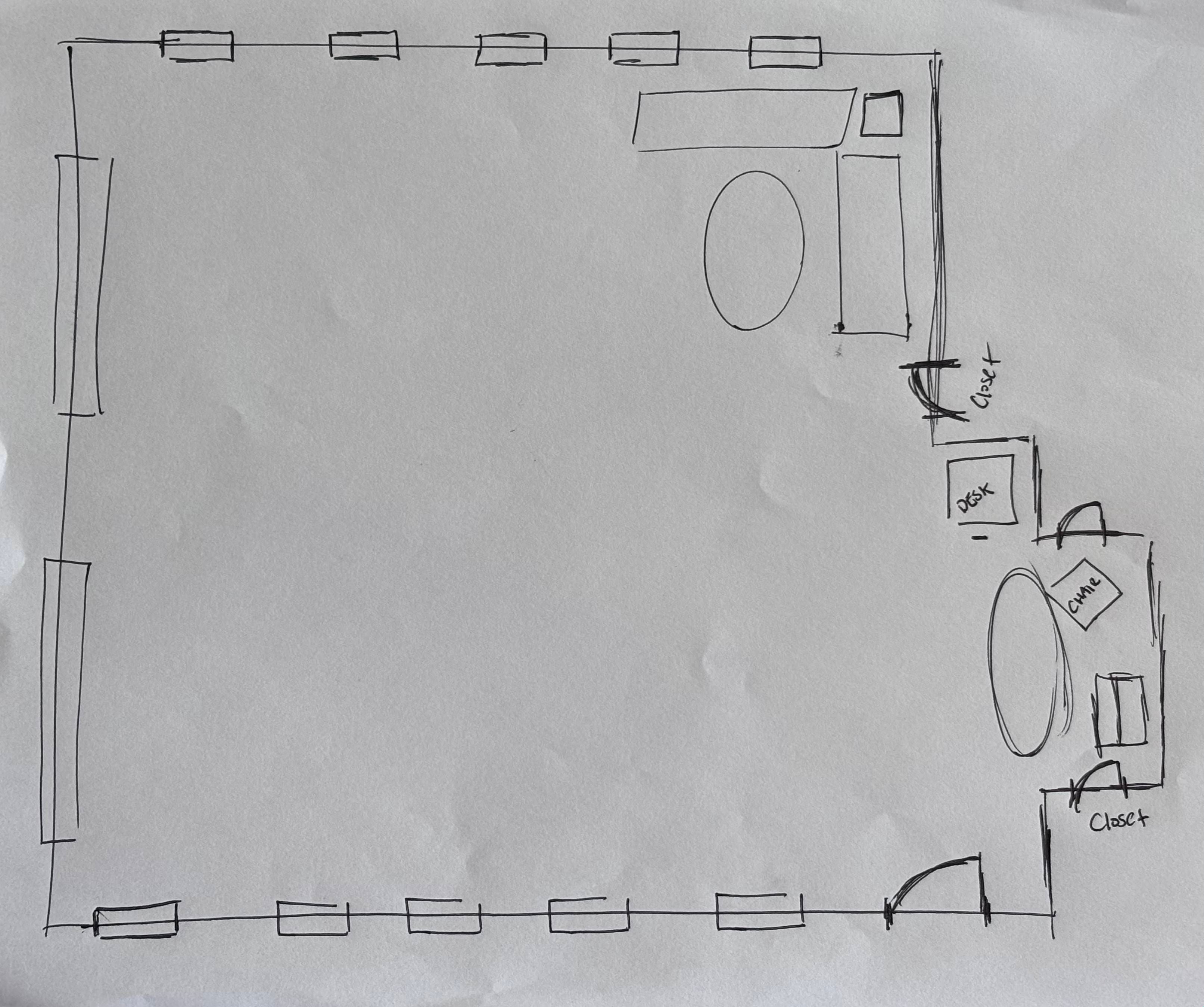
I am working on a few learning experiences (and a surprise personal project) that I am excited to share with y’all. This summer, I read, rested, and started designing for the upcoming school year. Like all of my learning experiments, I will pilot these experiences, collect student feedback on what’s working, and tweak what is not. I started designing my new classroom space on paper. Soon, I will be in my new classroom, creating a welcoming learning environment for my new batch of students!
New Podcast(s)
I am not starting a podcast. I have the utmost respect for those who take time to interview, edit, and produce excellent podcasts. Launching and maintaining a podcast is a huge endeavor taking hours to produce a 30-60 minute episode. I plan to keep teaching and writing. However, if you are looking for a guest for your next episode, do not hesitate to reach out. I love talking about teaching and am happy to chat!
If you are looking for a podcast for your morning drive, here are a few of my favorites:
New People
Every reader, as he reads, is actually the reader of himself. The writer's work is only a kind of optical instrument he provides the reader so he can discern what he might never have seen in himself without this book. The reader's recognition in himself of what the book says is the proof of the book's truth.
Marcel Proust, Time Regained
One of the best parts of starting this newsletter is connecting with people. When I started this Substack three years ago, I wanted to write about my experiences as a classroom teacher, but more importantly, I wanted to share resources that might help other teachers, and whatever wisdom I gained from my experiences teaching. When readers comment on my essays, sharing similar stories, I feel a great kinship. Teaching can be a lonely endeavor, and I am grateful for the people I have met.


My hope is to connect with others who feel a similar kinship. If you have not already done so, please reach out! I have not used the chat feature much, but I love meeting new people. Teaching is hard and learning is a messy process. While I keep learning and growing as a teacher, I will share what I do in my classroom. I love hearing from others about your experiences. Do not be a stranger and introduce yourself!
Leather is durable and flexible. Platforms like Substack come and go, but my teaching, reflecting, and writing is long-lasting. Teachers are among the most flexible people I know. We pivot dozens of times during the day so that students receive the best possible learning experiences. Thank you for reading with me as I embark on another year, and hopefully, another decade, always improving my teaching craft.
Have a great week!
— Adrian
Resources

If you are new to this newsletter, I suggest reading my Anniversary Tour post. It is a great place to get your bearings and catch up on archived posts.
What Are They Reading? by Annie Abrams | Slate
This Slate article by Annie Abrams came out last May. It has been a comforting companion article countering all of the recent post-literate hysteria pieces.

Trevor Aleo is a wonderful interviewer, asking thoughtful questions that lead to insightful answers. If you do not already subscribe to his newsletter, Becoming Literary, I highly recommend it. In this podcast episode, Aleo interviews Dr. Matt Seybold, the Associate Professor of American Literature & Mark Twain Studies at Elmira College. This is a fascinating conversation about literary studies and the role of digital media in the humanities.

Last year, I read Agnes Callard’s book, Open Socrates: A Case for a Philosophical Life because I wanted to learn more about the Socratic method. I always appreciate when intelligent people can thoughtfully explain complex concepts clearly. Callard does so brilliantly, explaining how Socratic dialogue helps humans fully engage with each other. In this podcast episode, Callard takes an even more complicated idea, her theory of “uni-context” and breaks down how it explains why the current world feels overwhelmingly negative and our attention fleeting.
Or “uni-context.” See Agnes Callard’s interview in the Resources.
An 1850s travel book on Peasant life in Germany, indicated that for the 25th anniversary, the wife would wear a silver wreath and the husband a silver buckle.
I also had stickers made to send to dedicated readers. If you want one, send me your mailing address and I will send you a few.
$8.00/month; $80.00/year
Congrats on three years, Adrian — that's no small thing to sustain alongside a full teaching load, especially through the years you're describing here. "Teach. Reflect. Write." is a good mantra, and I loved the leathercraft metaphor for how a newsletter (or a practice) toughens and softens with time.
Thank you for including my podcast in your list (small note — it's Grey Matters, plural!). I'm in good company there — I LOVE The Broken Copier and I've been meaning to listen to This Teacher Life, so this is a nice nudge. Excited to see what you're building for the new classroom and the new school yea
Congrats on making it to 3 years with your weekly posts. What a huge accomplishment. You are giving me inspiration to keep writing. Best of luck this school year.