
More Than This
A Look Back on my Formative Years as a Teacher

The longest I have consecutively taught in the same school is nine years. In my early, non-tenure years, fearful that I would not have my contract renewed, I followed the principal when she left. I arrived at the new school, still very green, eager to have my own classroom, not one I inherited from an exiting teacher. I was the youngest, and most inexperienced, teacher on the team. And I was treated as such. My ideas were dismissed. My colleagues were critical of my burgeoning pedagogical practice. At its worst, my colleagues would plan in secret, not telling me when and where, and then complain to the principal that I was “not a team player” for avoiding meetings. Years later, I learned that I was intentionally placed on that difficult team (against their wishes) as a potential buffer to toxic workplace behavior. It did not work.
The Maker Years
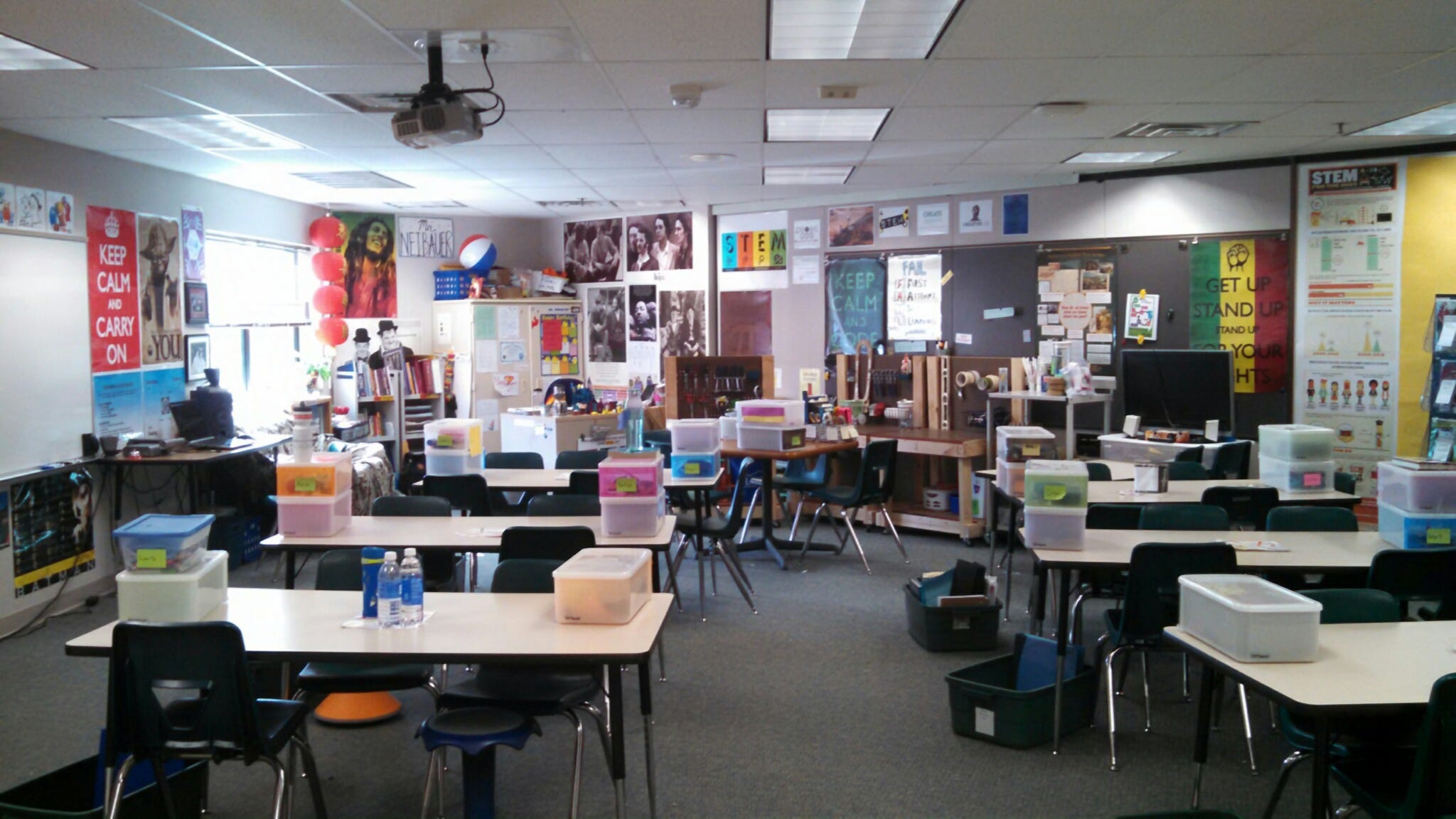
These were my formative years as a teacher. I was not only learning how to teach, but how I teach. I was developing my own pedagogical practice through panel discussions, Project-Based Learning (PBL) projects, transdisciplinary units, and historical inquiry of primary and secondary source documents. I learned to tell the difference between productive struggle and frustration and I could hear the difference between students animatedly working in a collective flow state and total chaos. I knew that I hated worksheets and I had a hunch that learning did not always have to remain quiet to be effective. I worked hard to make the lessons I taught hands-on and fun.1
For nine years, I experimented a lot in my classroom. My professional development consisted of me doing research online for making my lessons more engaging, throwing together a handful of fun activities, and seeing what happened. More often than not, my lessons were not organized. I was still working on my time management. Through trial and error, I learned how long certain activities should take and how long I should wait before calling on students. I experimented with classroom discussions, posing open-ended questions and monitoring small-group conversations.


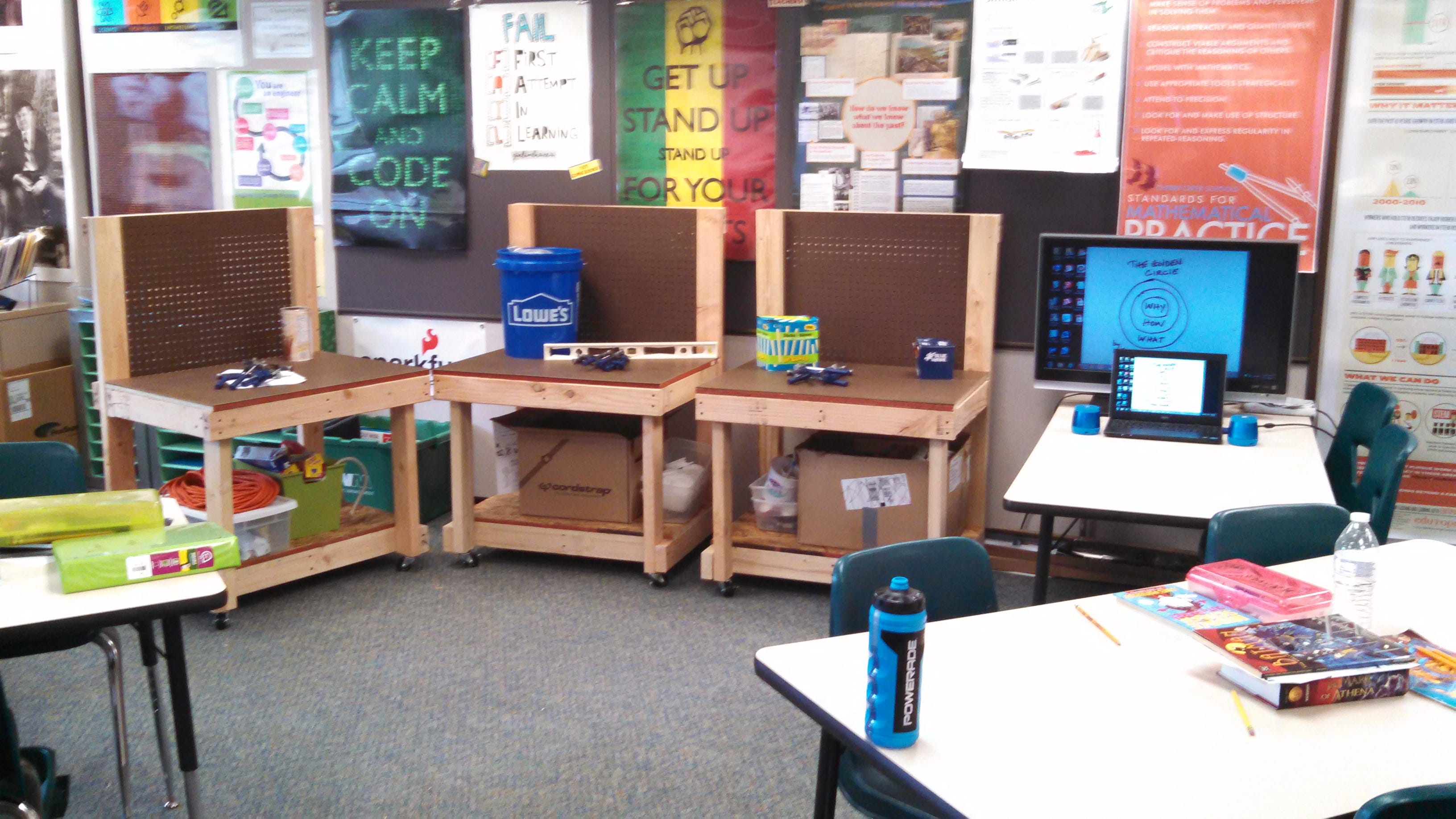
In hindsight, I was not a very effective experimenter. I was running too many experiments and I could not yet tell why a particular strategy worked. I changed too many variables, so when something did work, I struggled to replicate that success. During this time, the Maker Movement was gaining momentum in public education and my pedagogy reflected the trend. I built three workbenches for my classroom so that I could have a designated space for our PBL projects. I solicited a local hardware store for tool donations and asked parents for cardboard boxes, duct tape, and popsicle sticks. As my confidence increased, I purchased screwdrivers, pliers, and clamps so that students could start building out of wood scraps. As my knowledge increased (and the technology became available), I borrowed soldering irons and specialized components like motors and microcontrollers (e.g., Arduino, Raspberry Pi) from the school district.2 Coding was en vogue so I started teaching students basic computer programming using resources from Hour of Code. As the 2010s progressed, I was incorporating more technology into my classroom and making student projects digital. My pedagogy of the time resembled the DIY maker culture: I was tinkering.
The STEM and Innovation Years
When I left the classroom in 2016 to be an instructional coach, I was leaving almost a decade of what I thought was innovative instruction. I then spent the next five years scaling creativity and innovation in classrooms across my school district. I planned and facilitated STEAM fairs, robotics competitions, and Genius Hour. I helped teachers integrate STEM into their classrooms and students launch weather balloons into space. I coached librarians in how to transform their libraries into makerspaces.
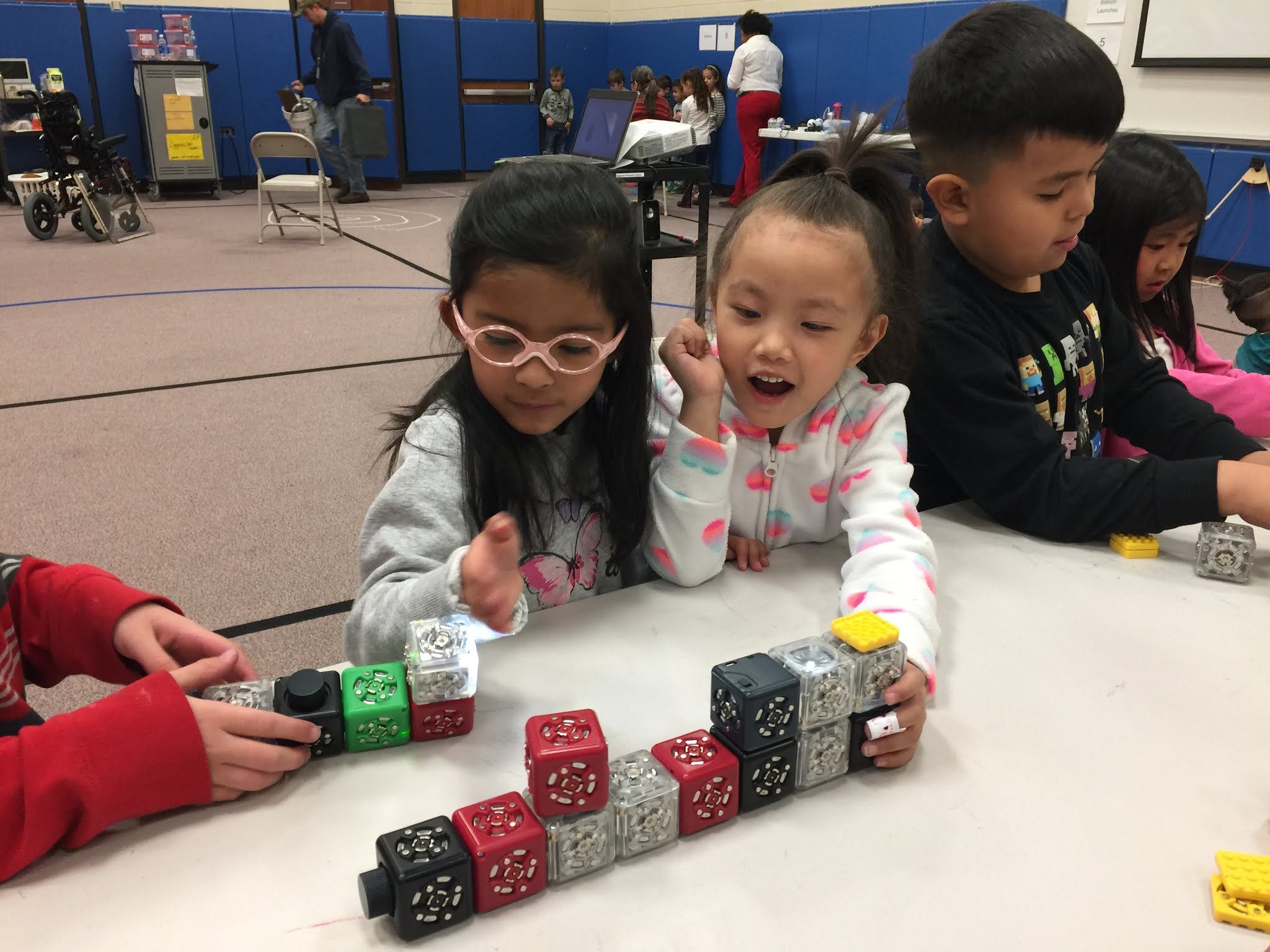
It was during this time I began rebranding. Instead of being a teacher, teaching lessons, I was a Learning Experience Designer, designing innovative learning experiences for students. When I presented at conferences, I talked about disrupting the status quo and transforming classrooms. Discussing how to innovate the “landscape of education” and use edtech to increase creativity and innovation in every classroom, gave me quite a high. Honestly, I felt more like a startup tech bro than a classroom teacher. I did not want to just improve teaching; I wanted to help teachers do things so differently that the status quo seemed silly, ineffective, and antiquated.
It was five years of a heady whirlwind; I moved fast, learned quickly, and shared everything I could. But it was not all computer programming and integrating technology. I learned about the importance of community from Michael Sorrell at SXSWEDU. It was at these conferences I learned about equity-centered community design, design labs, and human-centered design thinking. Strip away all of the technology and Silicon Valley bro-speak, always at the center, are human students.
I am proud of the many learning experiences I designed during this time. TOPGUN Paper Airplane Academy gave students concrete goals and multiple opportunities for paper airplane design success. I co-created the X Lab with my colleague, Jon Pierce. Designed to be an idea accelerator for education, the X Lab adapted a Design Sprint for teachers so that they could solve systemic problems in education. It was professional development combined with educational research and development.


I did not realize it at the time, but being a STEM and Innovation Instructional Coach deepened my pedagogical practice. When all of the flash and sparkle of disruptive innovation dissipated, I found that I was left with stronger core values. However, it took a global pandemic to deflate my hubris and strengthen my teacher humility.
The Pandemic Years
Teaching online (and then in person) during the 2020-2023 COVID pandemic was a gut-punch to my hyper-idealized, technology-infused, makerspace vision of the future.
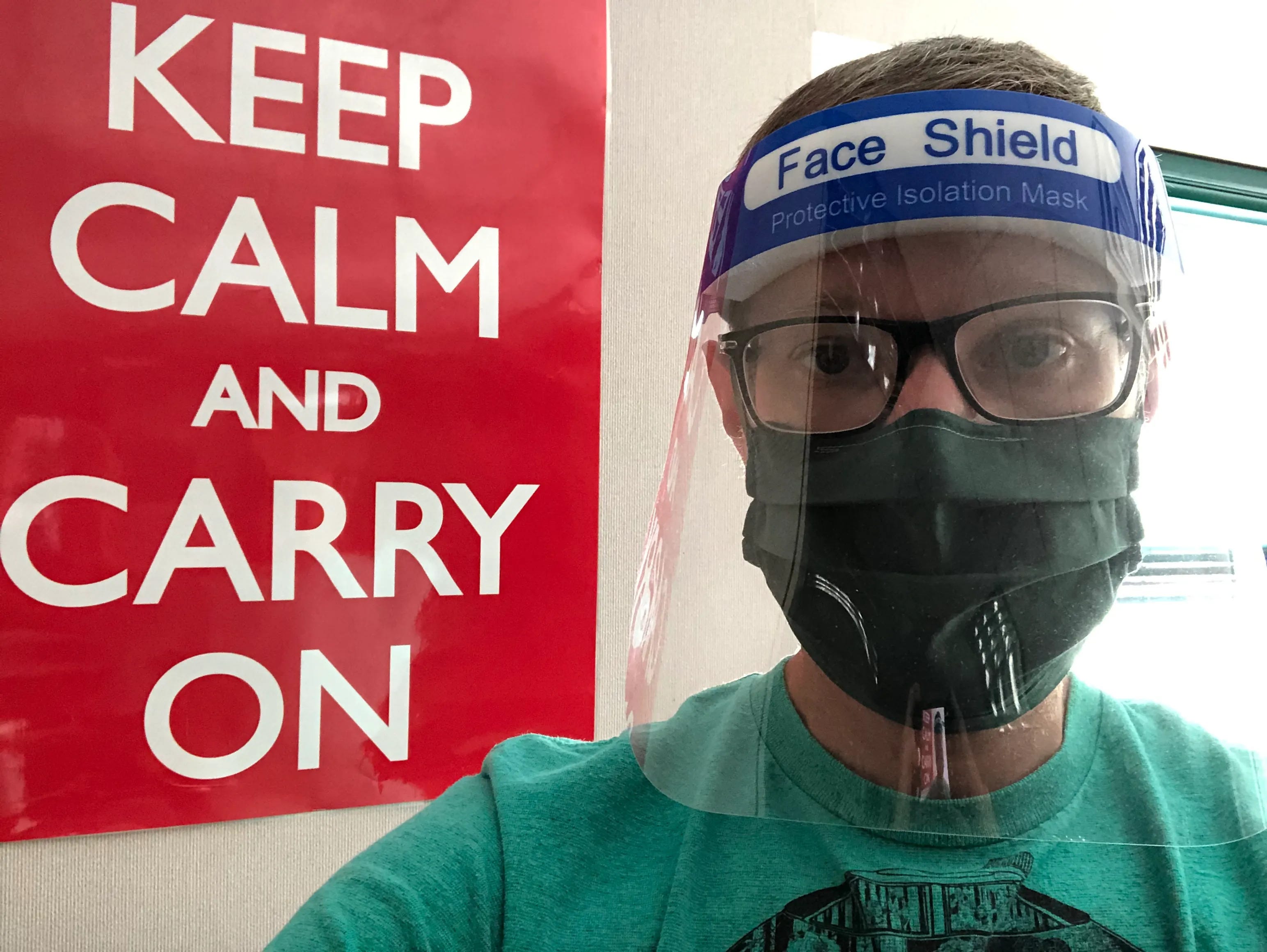
Despite all of the creativity and hard work teachers put into teaching lessons online, remote learning was a disaster. Teachers spoke to an array of black squares while students pretended to listen while playing video games. There were no grades or accountability, and students lost more than academic learning: social-emotional development, peer bonding, the ability to resolve conflicts, and regulate their emotions all suffered as a result. When everyone arrived for in-school learning, wearing masks and terrified of contracting COVID-19, my visions of the future of education quickly vanished. My day-in-day-out duties entailed incessant reminders for hand washing, wearing masks above the nose, and keeping students six-feet apart. Students had forgotten how to operate in a classroom. It was a mess.
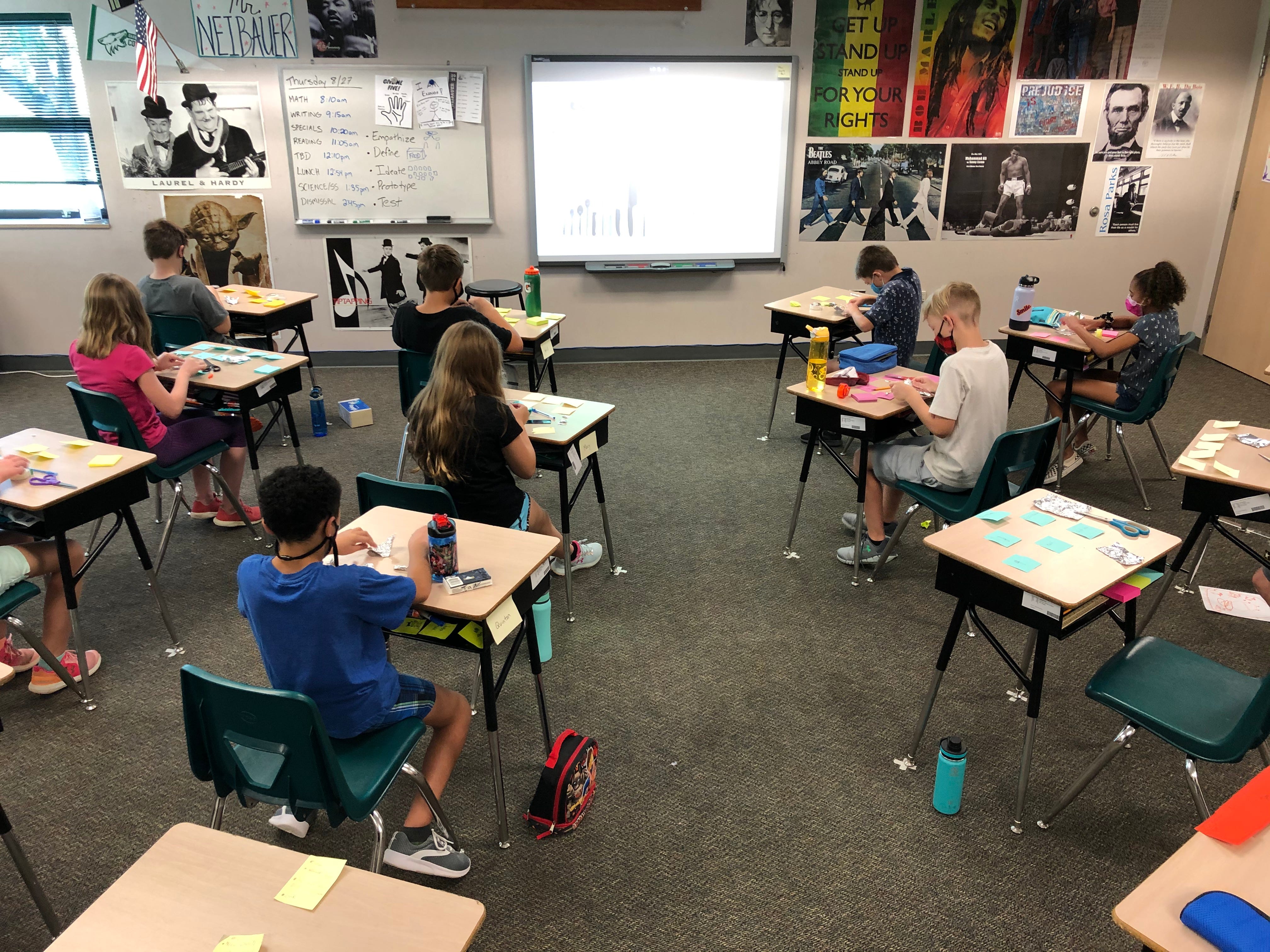
I was not the best teacher for my students during the pandemic. I did not teach much content during those years. I managed dysregulated behaviors, enforced social distancing and frequent hand-washing, and did my best not to freak out each day. These pandemic years forced me examine everything I thought I knew about teaching and learning. I questioned many aspects of schooling: grades, discipline, compliance. I kept asking myself does this really matter? I learned to release my control of many things. I could not force my students to learn. I could not teach the perfect lesson plan. I could not pretend to be stoic. What I could do was be honest with my students, be authentic and vulnerable, and remove as many of school’s harmful practices as I could. I learned that building relationships only works if you are being your true self. Students can easily spot a fake. I learned that many of the practices we take for granted (seat time, compliance measures, grades) actually impede learning. What matters most is being present in a room with other people’s loved ones, and that I can love other people’s children and hold high expectations for their behavior and growth.
Again, however, despite the overwhelming challenges, as the immediate fear of COVID-19 subsided, I was able to design some memorable learning experiences. I adopted a practice of daily mediation with my students using Andy Puddicombe’s Headspace. As a class, we used focused-attention meditation (concentrating on a single object, thought, or visualization) and open-monitoring meditation (broadening our awareness of our environment) to deal with the stress of school. I did my best to create a healthy learning community during these extremely stressful pandemic years.
The Post Pandemic Years
The WHO officially declared the end to the COVID-19 pandemic in May 2023. The subsequent school years (2023-2024, 2024-2025, 2025-2026) have continued to be challenging. In many ways, public education never recovered from the pandemic. Despite talks for reform post pandemic, the status quo has quietly reappeared. The truth is that nothing really changed. The same systemic problems that existed before the pandemic are still present today. Everyone else changed. Including me. I entered the 2020s with two decades worth of classroom experience. I felt confident that, despite my struggles teaching during the pandemic, I knew how to be a good teacher.
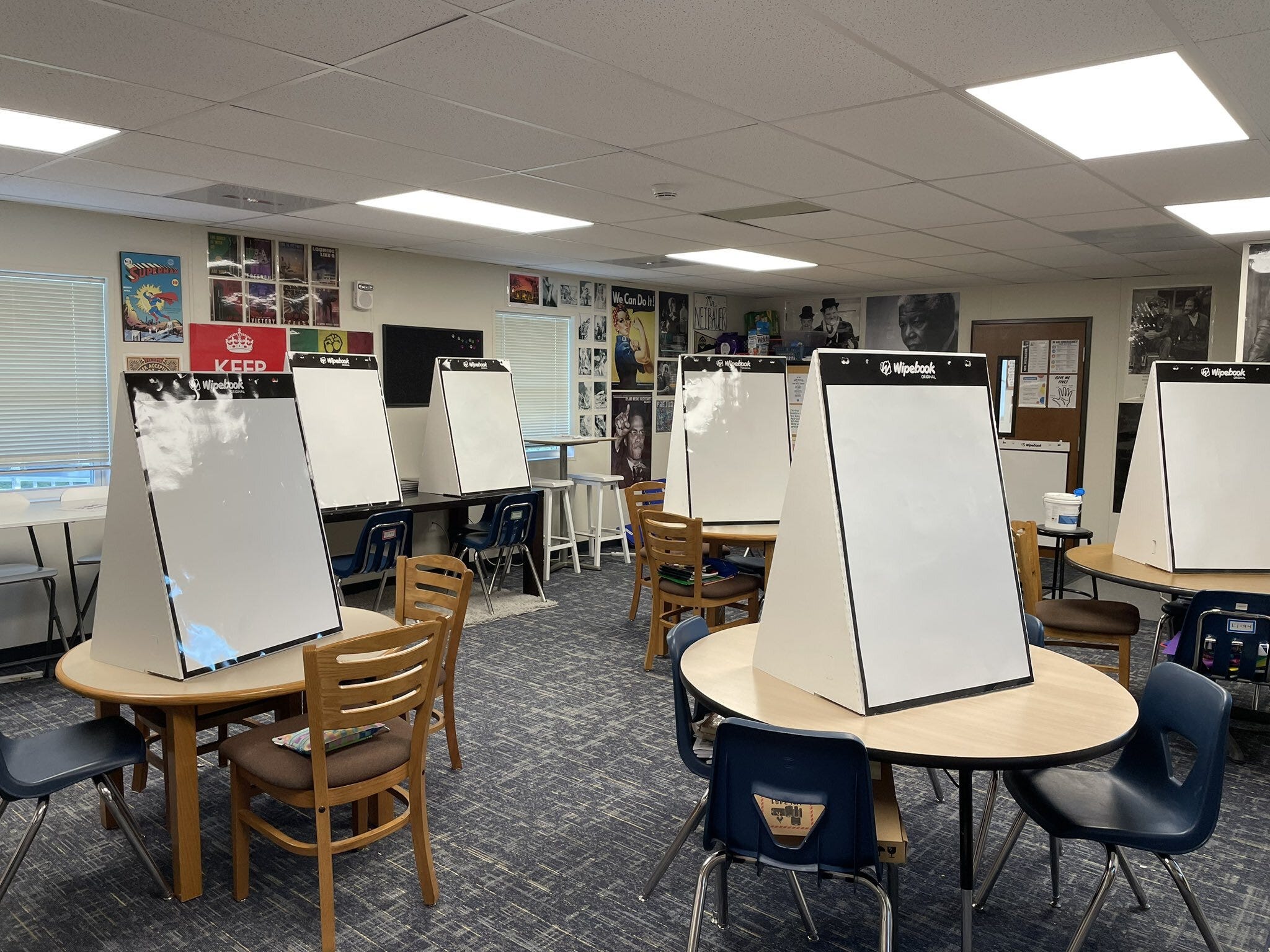
The pandemic changed how students, teachers, administrators, and parents all relate to (and interact with) school. I have witnessed alarming phenomena, and, for the past three years, have been diligently writing about my experiences teaching and learning. From having an increase of recalcitrance in my classroom and a dramatic decrease in students’ attention, to the rise of pedagogical standardization, teaching in the early 2020s looked nothing like what teaching was ten years prior.
Each new class of students brought their own challenges. Most notably is the ubiquity of academic trauma manifesting as extreme dysregulated behavior. In my first decade of teaching, I remember struggling to explain concepts to students. I remember having to wait some time before a boisterous class would quiet so that I could give the directions. I even remember the occasional work avoidance that some students showed when they were confused or embarrassed about a learning difficulty. Ten years ago, I never had students throw chairs at me, cuss me out, or verbally assault their peers. In fact, I do not remember having more than a few students be suspended for anything. Teaching since 2020 is drastically different. The challenges are incomprehensible. And still, I have continued to show up each day with a positive attitude, being as human of a teacher as possible, and use my expertise to give students the best possible classroom experience. Some days have been harder than others, but we have had some incredible learning experiences along the way.


Some weeks I am reflecting and writing with a cynical mind. I think it is only human to be skeptical of ridiculous mandates and empty promises. It is natural to feel pessimism that teeters on jaded cynicism when, regardless of one’s efforts, the system continues to do more harm than good to both its teachers and students. Teaching today, it is easy to feel demoralized and burned out most days. I wish that working conditions for teachers would improve. I wish students received the support they need. I wish teachers had more professional autonomy and received support when working with difficult students. School did not used to feel this way. And it should not.
Each chapter of my teaching life has been marked by highs and lows, comings and goings. Trends that dominated the classroom for a few years, eventually disappeared, only to be replaced with newer initiatives. If you stick around public education long enough, you will see older mandates cycle through again for another few years.
“It’s all right, children. Life is made up of meetings and partings. That is the way of it.”
Kermit the Frog, playing Bob Cratchit, The Muppet Christmas Carol
One thing I have learned through each of my Teacher Eras, is that teaching is more than the struggles. Teaching is more than the difficult colleagues and our under-resourced classrooms. Learning is more than makerspaces and STEAM Fairs and weather balloon launches. If you meet someone claiming to know how to best reform or innovate public education, they are selling something expensive. It could be a framework, curriculum, or online resource, but no matter what, teaching and learning are (and always have been) more than these aggregates. Teaching and learning cannot be reduced to individual frameworks3 and disparate pieces. The gestalt of public education is holistic and student-centered. It involves engaging the whole human, not retrieving facts standardized tests. Going to school is a total experience (intellectual, physical, emotional) for students. It should not be miserable. Teaching students is a complex experience for teachers. It should promote care, insight, authentic engagement, and meaningful learning; not cause harm to students and exhaust teachers.
At various points in my teaching career, an inciting event prompted me to make a change. In my first decade of teaching, it was following a beloved principal and taking the opportunity to work with teachers as an instructional coach. Now in my second decade, I run the risk of stasis. I know what I am doing. I know how to be a good teacher. I am painfully aware of the current challenges of teaching today. I have experiences with difficult students and subverting absurd district mandates. I know how to create peak moments in my classroom, despite dehumanization efforts. I can find (and even design for) glimmers during the day that spark student joy. I am still certain that students are worth the effort, worth the struggle, and worth the fight.
What’s Next?
I have decided to move to another school for the 2026-2027 school year. Once again, I will be joining a new school community, getting to know my colleagues, and learning about the culture of the building. Even though I have worked in four different school building in my twenty-five year career, I find that I am still a bit nervous and excited. I am excited to design a new learning space for my students. I am excited to work with new teachers, get new ideas, and improve my pedagogy. I am nervous for starting over. Who knows? Perhaps, according to Henry Oliver, this is my Second Act. He states,
“We have seen several times that stopping is the biggest barrier to success. There are various explanations why people stop working so hard – they have families, they get tenure, they have changing interests, they have made their money, their accumulated expertise stops them from experimenting, maybe even laziness – but anyone ambitious enough to want to change their lives or work on big problems can advantage themselves simply by not quitting.”
Switching schools will be a change, but not one I am afraid to make. I do not plan to quit teaching any time soon. Like Oliver says, I have accumulated expertise, but I have no intention of becoming stagnant. I want to keep teaching and growing so that I can be more than a great teacher for my students. I want to be the best teacher I can be.
Have a great week!
— Adrian
Resources

This is an excellent piece written by Ruth Gaskovski as a guest post for Catherine Oliver. Both Gaskovski and Oliver are incredible educators who share freely on Substack. I highly recommend you subscribe to each of their publications. And if that isn’t enough, Ruth Gaskovski has just announced she is printing her Reading Rebellion Masterlist.

It is as if Ruth Poulsen has been reading my mind these last couple of months. In her most recent piece, Poulsen discusses burnout and offers three questions to help navigate the difficult decision to make a job change.

I love this question! Michael Hernandez offers a provocation of possibility.

Will Richardson does an excellent job of challenging current definition of education leadership. In his latest provocation, he discusses the importance of radical honesty.

I often turn to reading when life feels crazy. Luckily for me, Marcus Luther and Brett Vogelsinger are hosting a slow-read of Charles Dickens’ Bleak House. All are welcome and it is not too late to join. In this piece, Vogelsinger offers some great reasons for teachers to keep reading, despite the craziness of our jobs and lives.

As a male teacher, this initiative caught my eye. Richard V Reeves from Of Boys and Men is launching the Male Educator Network (MEN). Their mission and vision align with what I have always wished for as a teacher, more male teachers.
This was before I had learned about design thinking and backward design. I had no language to describe how I was teaching beyond trying to “make learning fun.”
Now that I am a veteran teacher, I can empathize a bit with my colleagues. Having students hammering probably made me an obnoxious classroom mate!
Yes, I am aware of the Science of Learning. I realize that cognitive science, neuroscience, and psychology all have researched methods to improve education by understanding how the brain processes, retains, and retrieves information. These emphasize evidence-based strategies—such as scaffolding, managing cognitive load, and deliberate practice—to move information from short-term to long-term memory. Teaching is still more than these things.
Good luck in your new school!! This post got me wondering how I would categorize my eras of teaching. Hmmm....
This post elicited so many mixed emotions, Adrian. Nostalgia for what felt like the halcyon days of pre-pandemic teaching. Wistfulness thinking back on the fever pitch of peak Maker/Design-Thinking/Tech fueled innovation of the aughts and early 20teens (I was riding an adjacent wave myself around the same time and, despite my misgivings about how that scene turned out, the sense of possibility and energy is sorely missed). Sadness at the sudden snap-back to turgid traditionalism that feels more unshakable than ever.
Mostly, however, I felt excitement for your new journey, but with a touch of sadness. It's a tragedy that there are so few veteran teachers who share your hunger for improving their teacherly craft but whose perspective has been tempered by the wisdom of time and experience. I'm lucky to know a few teachers who fit that mold, but they are unicorns. Your future students and colleagues are lucky to have you!